Category Archives: Young people

Depression: when a bad day becomes a nightmare, and a wish list for youth mental health

To mark World Mental Health Day, two bloggers with experience of mental health issues share their thoughts on action. Here, campaigner Lol Butterfield writes about the fine line between “a bad day” and something more serious, while below, youth mental health campaigner Carrie Holroyd shares her 10-point wish list to boost youth mental health.
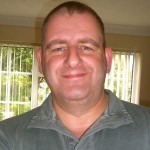
Lol Butterfield, Social Issue blogger, mental health campaigner
We all have mental health as well as physical health. They both work in correlation, two sides of the same coin. It’s World Mental Health Day today and I wanted to explore the question of when our mental health become mental ill health? When does having a bad day become a living nightmare? If our having a ‘bad day’ becomes more frequent, as sure as night follows day, we have reached what I call “my dark place”, clinical depression. It is a fine line between having the “blues” and clinical depression but once you have crossed that emotional line, you know where you are.

My own experience of depression seven years ago would have been not different to many other people’s experiences. Maybe the difference was that I was in denial for most of my decline into severe depression? With the benefit of hindsight now I was probably no different from many other men in that aspect, denial was my coping mechanism, I masked my symptoms thinking it would all go away. If only (it’s worth pointing out though, that often people do of course seek help when they experience the initial symptoms, men included).

There are a range of common symptoms associated with depression such as difficulty sleeping, poor concentration, not eating regularly or over eating (comfort eating) Our thoughts become very negative, we feel guilty over our words and our actions, we worry unecessarily. With depression the world around us becomes very dark and seeing the ‘light at the end of the tunnel’ as the cliché goes is far from easy. In fact it is nigh on impossible to see any light when you have reached the stage of severe depression, darkness is everywhere. The world feels like a dangerous place, it gives no quarter and does not take prisoners.

If you experience the above symptoms, or others such as becoming over emotional, irritable, having panic attacks, then seek help. Thoughts of self harm, or even suicide, will set alarm bells ringing louder than St Paul’s Cathedral. These are warning signs that help is required – and required quickly. Unfortunately when it comes to mental health men have a tendency for self denial.

As a consequence we have twice as many women then men visiting their GPs for mental health concerns even though both experience the same problems. With men it is often the outdated and totally ludicrous “big boys don’t” cry attitude. If more men had cried, and sought help sooner, we would have fewer cases of male depression. And frankly men would now be living meaningful lives instead of dying without hope as a consequence of taking their own lives, particularly young men. This is the tragedy.

So where do men seek help? The GPs surgery, as has been well-documented, is not frequented as much by men as women so we have to be creative in seeking alternatives. There are many different projects looking at mens health in particular around the country, these are usually organised and run by Primary Care Trusts. These will focus on “wellness” and “wellbeing” and promote eating a healthy diet and exercise, alongside checking blood pressures and weight. Again the important link between good physical health and mental health is being recognised.

Locally where I live on Teesside we have a Mens Health Day once a month at the Riverside stadium, home of Middlesbrough football club. These sessions are free. Men are more likely to go to an environment they feel comfortable with such as a football club, or even a social club, to discuss mental health issues because of the shame, fear and stigma.

As for me, part of my recovery involved attending my local gym. This is something I would recommend to anyone. The exercise combined with the social aspect of meeting friends and talking significantly lifted my mood and confidence level.

I would liken acknowledging you have depression to carrying an umbrella in a rainstorm. By acknowledging you have this problem you are prepared and protecting yourself from its effects. You are accepting it is there and needs to be addressed. You are proactively dealing with the problem. There are certain things we can all do to protect ourselves from poor mental health such as eating healthily, having a good regular sleep pattern, social contacts with friends, and physical exercise. These are all protecting factors against depression. And what I would see as probably the most important is sharing our worries, our feelings, with others close to us.

As the old adage goes “A problem shared is a problem halved” – in the case of depression this cannot be reinforced enough. I have survived to tell the tale, but sadly many others don’t.

***********************************************************************


Blogger and mental health activist Carrie Holroyd
My 10 wishes for youth mental health, by Carrie Holroyd
1. The government should increase access to and availability of psychological therapy for young people with mental health problems. Prescribing psychiatric medication may be a quick and cheaper solution but doesn’t always help young people with complex problems.
2. More support in schools; with three children in every classroom having a diagnosable mental health problem, I believe there should be more in-school counsellors and training for staff on how to best support young people with mental health problems.
3. Empower us! Being young and having a mental health problem can be very disempowering, involving us in our own mental health care and increasing participation can make a huge difference.
4. Not everything is a symptom. When you have mental health problems everything you say, do, believe in can be inappropriately construed as a symptom of your illness. Having friends, family and professionals scrutinise you constantly can get very frustrating.
5. Don’t lower your expectations. Just because I have a mental health problem doesn’t mean I can’t work, study, socialise and have a fulfilling life. Things may be a bit more difficult for those of us with mental health problems but it doesn’t mean people have to lower their expectations of what we’re capable of. Many of my peers have been told by friends, family and professionals that they can’t pursue a certain career or study because of a mental health problem. Imagine how horrible it is to be told that at a young age.
6. I’d like to see people ‘open up’ about mental health problems. Don’t be so afraid to talk about it, it’s not as scary as the media can make out.
7. Don’t believe everything you hear. There are many myths surrounding mental health problems that are frankly ridiculous and increase stigma. Read up on mental health and educate yourself.
8. Early intervention is important. So many people find they don’t receive adequate support until they reach crisis point, this has to change. Early intervention can cut down on hospital admissions and prevent problems escalating into more severe forms of mental ill health.
9. Bridge the gap between child and adult services. In some parts of the country young people must leave child and adolescent services (CAMHS) at 16 and cannot use adult services (AMHS) until they reach 18.
10 . Treat young people who present at A&E for self-harm with respect and dignity, don’t dismiss them or deem them “attention seeking”.
High society (and celbritocracy) backs big society

It was a sight that would have warmed the cockles of David Cameron’s heart. As soul singer Heather Small and ex-England footballer Sol Campbell mingled with guests at London’s Saatchi Gallery last week, they were showing just the kind of commitment to local philanthropy that the Prime Minister is hoping to encourage.

Small and Campbell were among 400 guests at an event organised by the Kensington and Chelsea Foundation to bring wealthy donors together with the charities they support. Since it was launched three years ago, the foundation has raised £500,000 for local charities in the Royal Borough of Kensington and Chelsea, a borough with some of the widest contrasts between rich and poor in the UK. Life expectancy is nearly 11 years lower in the most deprived parts of the borough than the richest, for example (the borough motto is “Quam Bonum in Unum Habitare”, translating roughly as “how good it is to dwell in unity”).

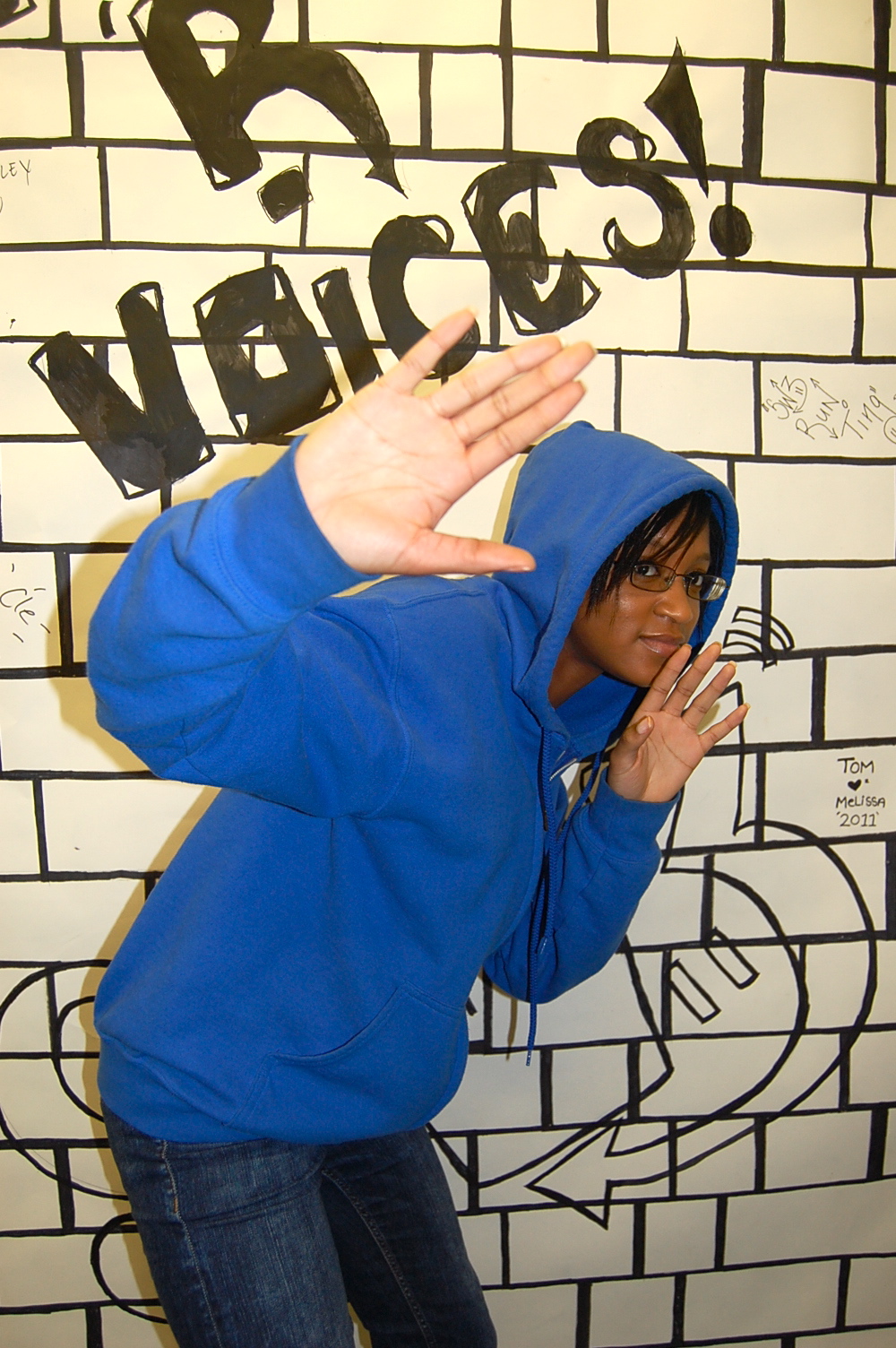
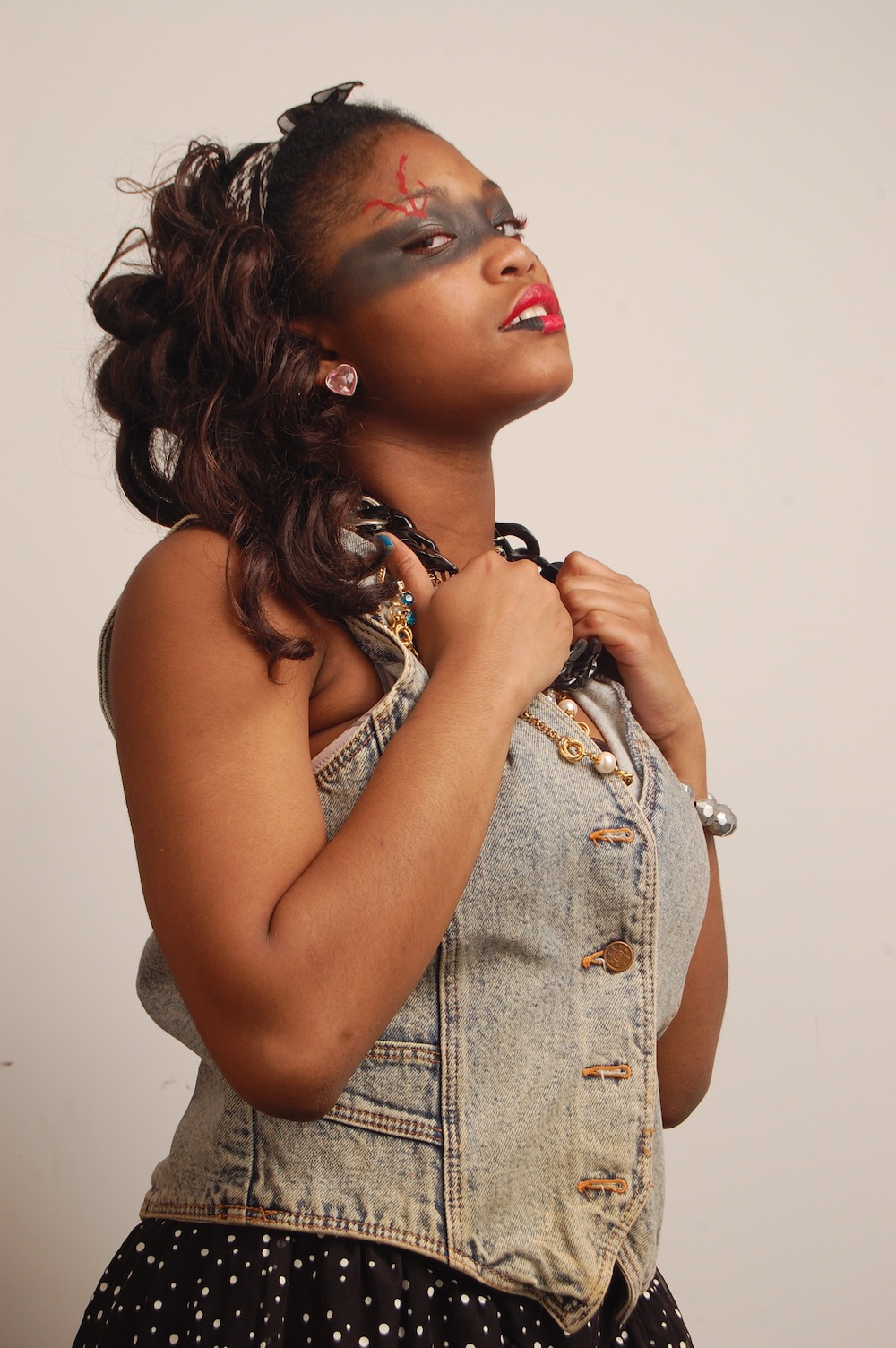
The widely differing circumstances of the borough’s residents were very much on display at the fundraising night, thanks to an exhibition of inspiring photos by members of the Chelsea Estates Youth Project, set up to help marginalised young people. The We are Photo Girls exhibition showcased the work of young people who learned to run their own fashion shoots through the project.

Image from the Chelsea Estates Youth Project, showcased at the Royal Borough philanthropic event

The foundation’s role, explains director Jeremy Raphaely, is to match wealthy donors with charities which are really making a difference on their doorstep. “I have lived in this borough for 40 years and it struck me as odd that charities were getting funding from the local authority, the PCT, the lottery or grant-giving trusts but had no connection with local residents,” he says. “And local residents had very little idea that they were there, let alone any connection with them. But once you introduce them, you get a very positive response.We help donors to focus on areas that interest them, whether it’s youth, education or older people, environment or the arts. We can make a very direct connection between the charities and local donors and their involvement can really make a difference to people’s lives.”

Another image from the Chelsea Estates Youth Project

The foundation’s approach is one that chimes with the government’s push to encourage the UK’s highest earners to give more. The potential is certainly there. The independent Philanthropy Review Board, set up by Cameron last year, says those earning more than £200,000 a year give on average £2 to charity for every £1,000 they earn – compared with £90 for every £1,000 among similar high earners in the US. A culture shift encouraging people to give more – and making it easier for them to do so – could bring in an extra £2 billion for charities by 2015, the review suggested. And it’s the local approach such as that in Kensington and Chelsea that may well have the most success.

As a report by Coutts bank this week points out, almost four in five philanthropists support local charities. Marcelle Speller, one of the stars of TV’s Secret Millionaires, sums up the appeal from the donor’s perspective, writing in the report: “Local philanthropy gives me a sense of community, of belonging, and it recharges me. You can see that you are giving effectively, and have the most joyous, enriching experiences.”

So will a reinvigorated philanthropic community be able take the strain as public funding is cut? Certainly Jeremy Raphaely believes that it’s the tough economic environment that’s helping to encourage some donors to reach for their chequebook, rather than necessarily a real sense of heeding David Cameron’s Big Soceity rallying call. “I don’t know how much people are moved by a slogan like the Big Society – people are even sceptical,” he says. “But they realise charities in general are having a rough time. Funding is being cut back but the causes are as big and as critical as they ever were.”

The Big Society may now be a discredited brand, notable by its absence from the debate at this week’s Conservative conference. But for people like Raphaely, who says “we like to think we had the idea before David Cameron did”, the driving impulse behind it remains. “We do all have a community responsibility. It’s not just the homeless or the disabled – it’s our homeless and our disabled. We are trying to nurture that personal feeling of involvement and commitment.”

Local boys (and girls) done good

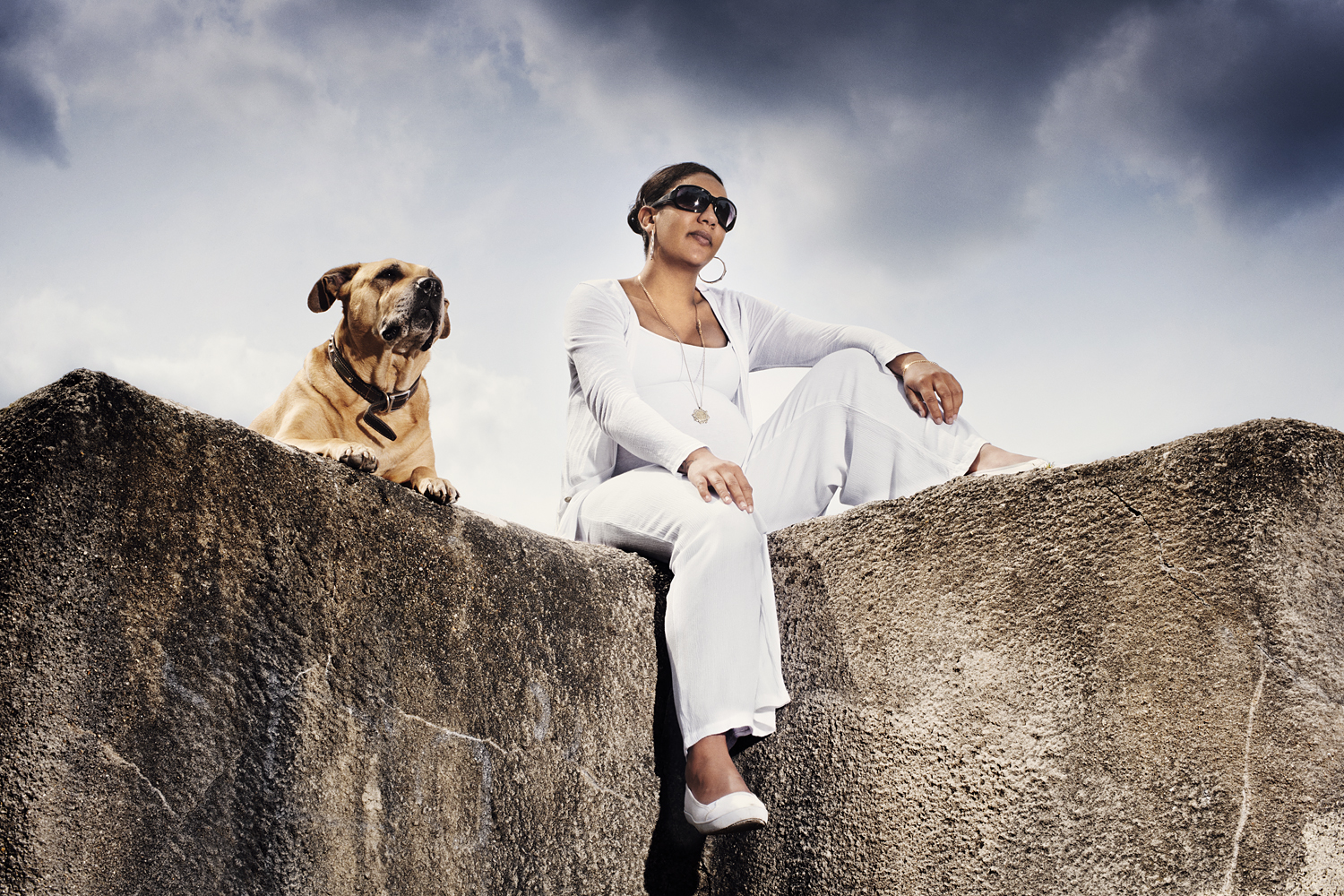
Kayla: 'I want to make it a better Hackney for when my child grows up'

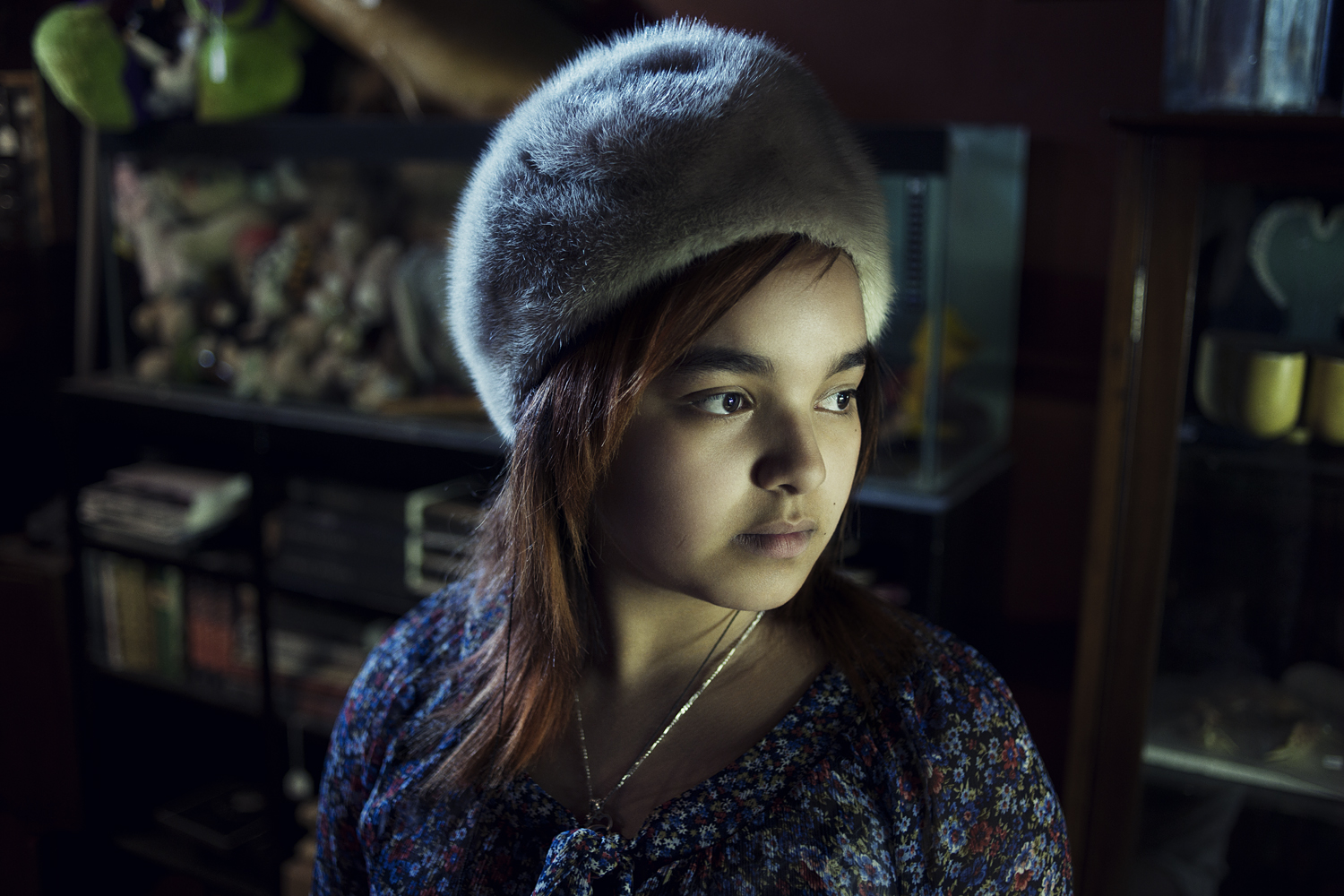
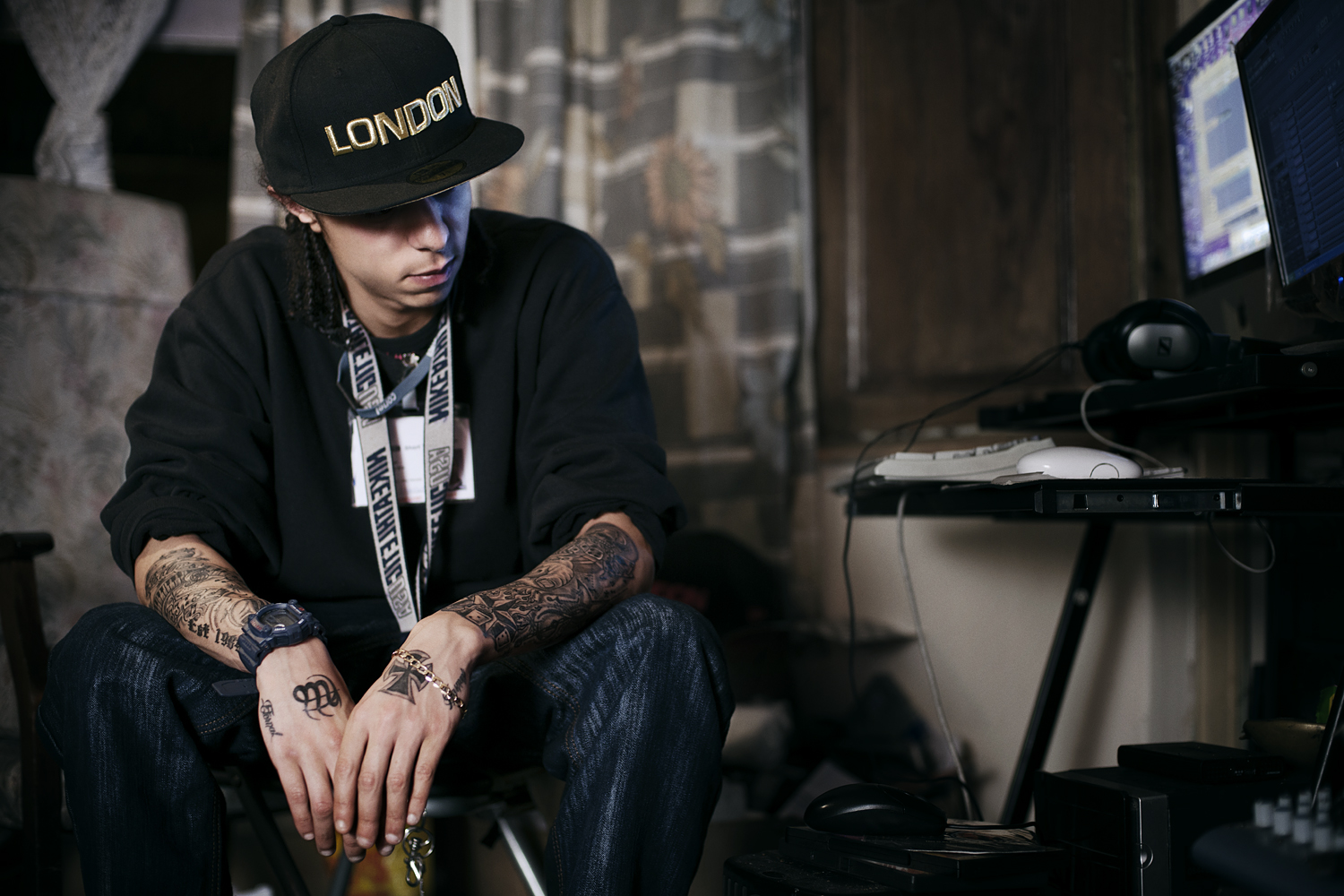
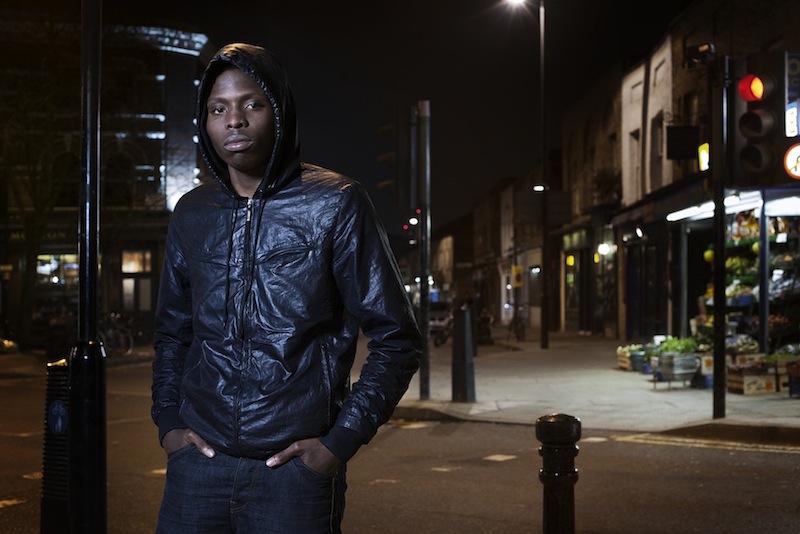
The contrast with the grainy images of missile-hurling, pickpocketing young “hoodies” from the summer riots could not be greater. These stunningly shot and beautifully-lit portraits showcase East London’s young creative talent and form part of a new exhibition opening on Thursday.

Sienna, 18, artist and social entrepreneur
Lydia, 15, photographer

A group of young people have produced and are promoting the exhibition, FYI: Focused Young Individuals, in collaboration with award-winning photographer Agenda, youth-led social enterprise YH! World, communications social enterprise Poached Creative (which I’ve been involved with as a trainer) and Hackney Young Photographers.

Mark, 21, musician

The project focuses on young people from diverse backgrounds, each involved in some sort of creative enterprise, to highlight local talent.

Jenkins, 18, "creative all-rounder"

As Kayla, who has blogged on this site before, explains in the story that accompanies her image (the first one featured in this post): “People feel like, because you live in Hackney you’re destined for doom, but I love the people, it’s just so diverse. I do think there is stuff to be proud of..This next year for me is about really getting stuck in media – giving young people a chance to experience media how I have, and giving them the opportunity to express themselves within media. I want to help as many young people as possible, and create a pathway for the next generation. I’m having a baby this year so my child’s gonna be in the next generation in Hackney, and I want to make it a better Hackney for when my child grows up.”

You can read more each young person’s story here by clicking on their name.

Kojo, 18, artist and entertainer

Youth-led charity Art Against Knives (AAK), which began in reaction to the unprovoked stabbing of art student Oliver Hemsley, is curating and promoting the exhibition. AAK aims to reduce the causes of knife crime through youth-led arts initiatives providing an alternative to violent gang culture. The hope with the FYI show is to connect creative industry and Hackney’s young talent, giving the young people’s work a platform in the East End’s thriving art scene.

A week-long exhibition will be at The Rebel Dining Society’s 30 Vyner Street HQ, E2 9DQ from 6 – 13 October. Site-specific displays based on the FYI exhibition open for a month on the 6 October. Admission is free.

* For more photography from Agenda, see the website http://www.agendaphotography.co.uk

Street Dance for Change campaign

Upbeat, beautifully shot and drawing attention to a comparatively hidden issue, check out this video featuring urban dance group Diversity, winners of Britain’s Got Talent. The short film’s part of a campaign to draw attention to the plight of the UK’s street children:

The drive, Street Dance for Change, led by charity Railway Children, invites people to upload a 30 second video of themselves street dancing and for each view, the charity’s partner, insurance firm Aviva, will donate £2 to the cause. According to the charity, 100,000 under 16s run away or are forced to leave their homes, ending up on the streets and open to abuse and exploitation.

Click here for the Youtube channel and Facebook page.

I was in care, now I’m working to improve the system for looked-after children

Guest post by teenager Matt Langsford

Matt Langsford, improving care for looked-after children
I’m Matt Langsford, I’m 19, I was in care for nine years, I lived in over 15 different care placements and I was homeless twice.

I was in care due to my mother’s mental health problems – she is agoraphobic, has bipolar disorder and suffers from alcoholism. I’m back in contact with my twin sister but no one else in my family.

My care experience was poor. I was told by my care workers that I’ve had “bad luck” with carers as two of them were de-registered and a couple resigned with immediate effect. When I was homeless I slept under a bridge, in a shed and in a garage.

My experience at first made me not trust any authority figures and made me lose my confidence, but I’m putting that to good use to help improve services for looked-after children and young people. I work with the LILAC (Leading Improvements for Looked-After Children) project. I understand better what happened with my care, and I want to improve the care system.

LILAC is project funded by the Big Lottery Fund and hosted by the charity A National Voice (ANV) which ensures looked-after children and young people are involved in decisions about their care and in the practices of the services that look after them. I assess how well services involve their looked after young people, deliver participation and LILAC standards of care. I think the standards are important as they are key areas of involvement for young people and children. They help gauge how an organisation involves and includes their young people. I am one of 60 young care experienced people recruited as LILAC assessors and so far we have assessed 18 different care settings from fostering agencies to local authority care homes.

I heard about LILAC in January this year from a role I had with ANV as the West Midlands regional development coordinator. I did some research and applied for the post after thinking what a great opportunity to build on many of my skills and get employment and to meet some like-minded young people. I was then interviewed and selected to become an assessor. Getting to the training course was a race against time for me; I travelled throughout the night on a 12 hour journey to get to the course (half a day late!). The training course took place in Manchester and I was living in Aberdeen at the time.

I think that the hardest part of the course was the role-plays because I’m rubbish at acting. The most rewarding part was gaining my qualification, meeting new young people and meeting the great staff at the project.

I think what we do at LILAC is important because we are going in helping organizations and local authorities improve the services they provide to their looked after children and young people. An example of how important LILAC assessment is that Wigan were assessed at the start of the project and only achieved some of the standards, after the LILAC team fed back their recommendations, Wigan started to implement them. A year on Wigan invited LILAC back to re assess them and they have achieved all of the standards.

My first assessment was in Birmingham – a private fostering agency – I had a briefing meeting before the assessment and it all went great.

LILAC has helped me on personal level as the team has gone out of its way to support me, with advice on attending college and also they have helped me develop my skills. I wouldn’t be where I am today without the hard work and dedication from the LILAC team. It has made me more confident and helped me to trust people again; I can talk to the team whenever I need a chat to keep me sane.

My plans for the future are to finish my level two and three health and social care BTEC and go onto university next September to get my social care degree. I am continuing my voluntary work with the local Children in Care Council which is something I have done for the past three years now, I’ve been the chairperson and co-chair here and I do things from outreach work to managing our team and budget.

For me the general public see looked-after children as trouble-makers or problem children, this is wrong as most of us in care are in care as our parents can’t look after us. The media unfortunately plays a mostly negative role in portraying us, as they only show bad things and don’t promote any good stories of looked-after children and young people; I am trying to change this.

Is Paddington the “big society” in action?

Big society in action is how civil society minister Nick Hurd described the award-winning Paddington Development Trust (PDT) which he chose for his first ministerial visit in May 2010. “Residents have real sense of ownership and power,” he enthused on Twitter about the west London regeneration organisation that supports residents to volunteer a total of 5,000 hours through 350 different volunteering opportunities.

But shortly after Hurd’s praise, the organisation was among the first victims of public spending cuts when £350,000 was axed as the government scrapped its neighbourhood programmes. The trust’s chief executive, Neil Johnston, has spent the last year figuring out how to continue its groundbreaking work. Read the rest of my piece for the Guardian’s Society pages here.

Chaos and capability

It was the sort of toxic mixture of elements and multiple assault on the senses that would until recently have triggered some challenging behaviour in my sister; a bustling crowd, loud music, the company of strangers and – to add insult to injury – an extraordinary day with no familiar routine.

But not only was 22-year-old Raana Salman at the very heart of the carnival throng in my parents’ Sussex hometown during the recent Bank Holiday weekend, she was loving every noisy, overcrowded minute.

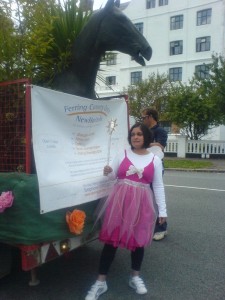
Wearing a pink fairy costume and a wide, joyous grin, she was a proud participant in the Ferring Country Centre carnival entry as part of the learning disability charity’s float in the Worthing carnival. She even featured in a photograph in the local newspaper.

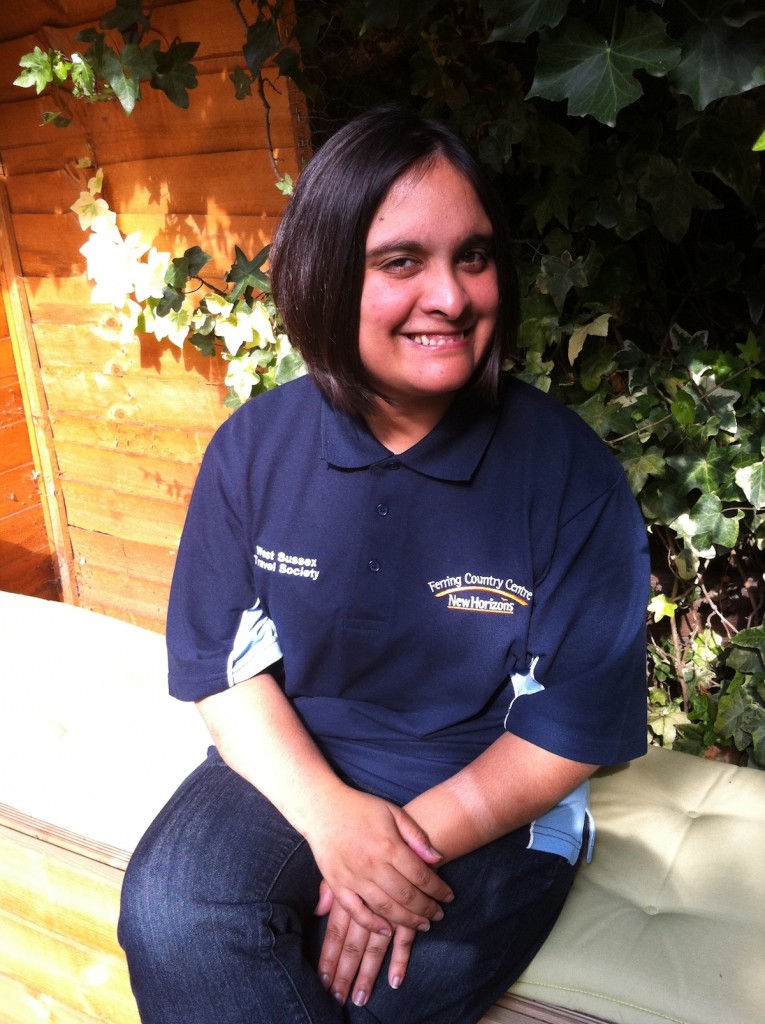
My sister, Raana, in her Ferring Country Centre tee-shirt
Raana Salman - carnival queen

The hand elegantly pointing at onlookers with a homemade wand (beautifully fashioned from a battered old Christmas tree star and a cardboard wrapping paper roll) was the same one that would flap incessantly or claw at my mother on fractious days out when something was unfamiliar or overwhelming.

It was the same hand that several years ago would frantically gouge out the skin on her other arm during an anxiety attack. This is what happened the time I mistakenly thought she’d be pleased with a trip to my new place in London; her worry and tears escalated the closer we got to my front door, and failing to placate her, I just drove her back to Sussex.

My extremely biased, unfettered pride at my learning disabled sister’s achievements will be obvious to some regular readers – from her first few faltering steps towards finding her own identity at The Mount, the first Camphill community in East Sussex she joined at 16, to her recent progress at Camphill’s Lantern Community in Ringwood, Hampshire. And the only major problems so far have been other people’s narrow minds.

And I’m delighted to say my shameless promotion of her progress continues apace. This summer, she spent a few days at the Ferring Country Centre, learning social and life skills through activities and enjoying day trips that boosted her independence and widened her horizons enough for her to join in the carnival parade.

The centre has grown since its launch in 1986 by a group of like-minded parents who recognised the need for a workplace-based setting for vulnerable adults. The aim is to boost social inclusion for the learning disabled, supporting them to play a valued role in society through training and work experience.

The scheme’s garden centre grows plants and vegetables for sale to the public with the project’s participants helping in every aspect of production. The riding therapy lessons are taken up by 600 learning and physically disabled adults and children every month. People with disabilities also work in the café and the scheme’s small animals farm while off-site, they get involved in community projects, including newspaper collection and gardening.

When I asked Raana if she’d mind me writing about her latest experience, she nodded: “I loved it. I want to do it again next year.” And when I asked what the best thing about the Ferring centre was, she said proudly “my top”. Her answer didn’t really surprise me; the logoed tee-shirt and matching fleece are badges of honour for my sister as they demonstrate that she belongs to a community and they make her feel – very officially – valued. Do check out the Ferring project’s gallery to see more pictures of what this excellent centre does and to the team there – thank you, you’ve made our summer.

However, as grateful as I am for my sister’s progress, I never take it for granted. While she is currently so well-supported, others are in unhappier situations and the funding future is less than rosy for disability services. As campaigning organisations like the Learning Disability Coalition (LDC) and Voluntary Organisations Disability Group (VODG – note of transparency here as I also manage the group’s blog) have made clear, government cuts are a massive threat to disabled people while current funding rules are in desperate need of an overhaul.

Next week, 13 September, the Welfare Reform Bill has its second reading in the House of Lords and there is a very real fear that people with disabilities will lose out in the changes. Disability Living Allowance (DLA), for example, is used by the disabled for daily living costs but the government plans to replace it with Personal Independence Payment (PIP), which will save it money. But a recent survey of 2,200 people by charity the Papworth Trust, shows that the changes under PIP would mean 86% of disabled people would be forced to cut back on food or transport. There is a growing fear – and now growing evidence to suggest – that cuts are unfairly falling on the disabled.

For how long will young disabled adults be able to access the same activities and support as my sister in such a climate?

This week, Raana is back in Hampshire, getting stuck back into living, learning, socialising and working. Her work in the Lantern Community’s amazing shop, for example, now includes more responsibility for stock pricing, something of which she is very proud. Raana has so far not only achieved more any of us can have hoped for, but there’s a very real sense that there’s much more to come.

And I think for my parents, who know they shouldn’t but can’t help but compare Raana’s development with that of her two older siblings, it’s worth noting that I’ve certainly never been in a carnival parade and now I’m not the only one in my family to make the front page (note the tiny pink and white wand-holding figure in the centre of the throng). The only difference is that while I can write the news, I’ve never actually made it.

Care issues take centre stage

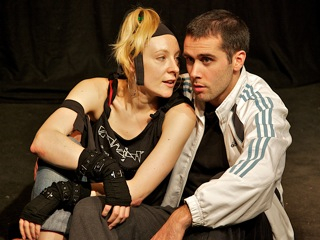
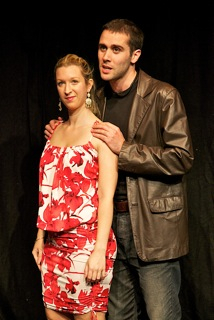
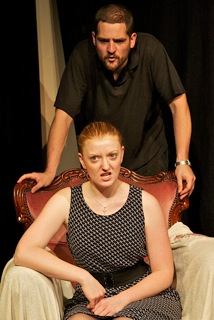
I featured a bold production about special needs at north London’s New End Theatre on this blog recently, and now the same venue is presenting another performance focusing on challenging issues (all pics by Francis Loney).

Where’s Your Mama Gone? is a play about fostering, the vulnerability of children in care and the impact of the care system on the lives of the young. The show ran in Leeds before moving to London. The siblings in the play are in care in West Yorkshire after losing their mother to a serial killer – playwright Brian Daniels was a trainee teacher in the city in 1970s Yorkshire when Peter Sutcliffe was at large and he has drawn on the experience in his writing. Daniels was inspired by Richard McCann’s novel, Just a Boy; McCann’s mother Wilma was Yorkshire Ripper Peter Sutcliffe’s first recorded murder victim in 1975.

The theatre in Hampstead, London, has made over a hundred free tickets available to disadvantaged children in the area for the drama which also highlights issues around such as alcoholism, drug use and questions of identity and heritage.

Daniels wanted to explore issues of care in Camden, home to the New End, Hampstead, whre only 59% of children in care passed a GCSE subject in 2009, compared with 78% nationally. Local foster children also had the highest rate of substance abuse in inner London, with almost one in five reported as having a problem with alcohol or drugs.

The playwright says: “The play was written to offer hope to young people living in care and to draw attention to the vast difficulties they face. Many of the youngsters that we have invited down will not have had the chance to experience live theatre and I urge other venues to set aside some tickets as well.”

The theatre is also launching a drive to attract wider audiences, including a pioneering “pay what you can” optional pricing system will operate for the entire run of the play. The suggested ticket price is £15, but theatregoers will be free to choose how much they pay at the box office in an effort to attract audiences that would otherwise not attend.

Where’s Your Mama Gone? runs until Sunday 28th August 2011. Tickets are available from the theatre.

Haunting, detailed and complex: winning work by autistic young artists

I recently blogged about Create! Art for Autism, a national art competition run by Beechwood College, a specialist residential college in Wales. The aim of the project was to show that art can not only encourage learning and instill lifelong skills but boost quality of life and future prospects.

The awards ceremony took place at the weekend – more than 350 entries were received from 52 different schools from all over the UK, and as far away as India and Croatia – and a couple of the very worthy winners are here:

Angel, by Sam Fitzgerlad, Create! Art for Autism winner (pic credit: Huw Evans Agency)

The Digital Category was won by Sam Fitzgerald, above. Angel, the work by the 18-year-old from St Cenydd School in Caerphilly, was praised by judges as having a haunting and metaphysical quality.

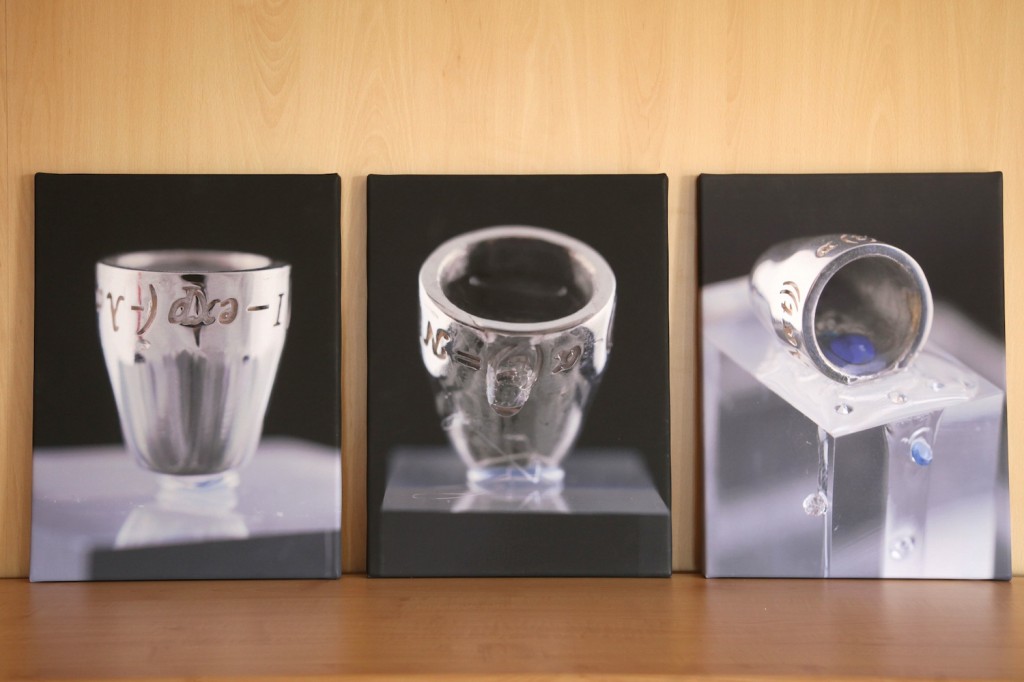
Esther Whitney, Aged 24 from Birmingham City University won the 3D Category prize for her sculpture, A Thimble Full. Esther’s work was inspired by her difficulties with social interaction, with the thimbles representing that a thimble full of relationships can be enough for young people with an autistic spectrum disorder. The award was presented by Lucinda Bredin, Editor at Bonhams Magazine and member of the judging panel, who complimented Esther and the other finalists on the “detail, depth and complexity of their work.”

A Thimble Full by Esther Whitney, winner, Create Art for Autism

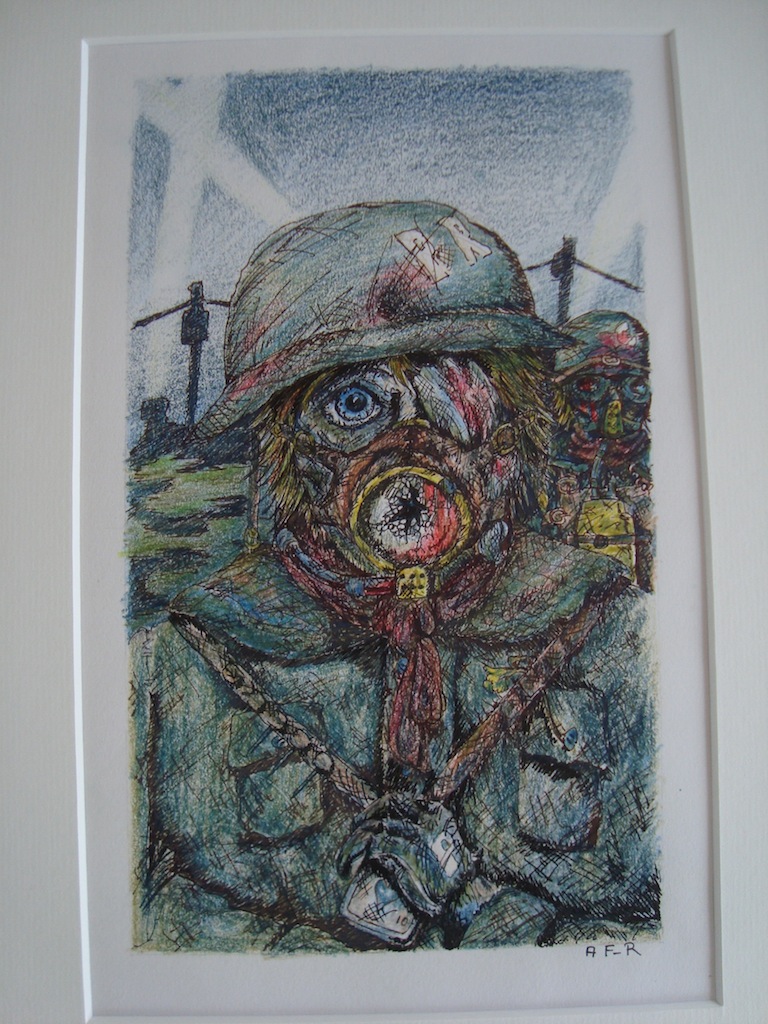
The prize for the Teacher’s Choice Award was presented by Darren Jackson, Principal of Beechwood College to Alexander Fox-Robinson, aged 15 from Pembroke School, Pembroke for his pencil drawing, The Blitz, which featured in my previous blogpost on the competition.

The Blitz, by Alex Fox-Robinson

The finalists’ work is on display at The Old Library, Cardiff until Sunday August 7 and will move to London early in the autumn. For more information contact Create! Art for Autism. The amazing amount of entries to the competition shows the vital nature of platforms to showcase the talent of young people like Sam and Esther and the organisers say that next year’s competition will include even more categories.

Art competition gives voice to youngsters struggling to be heard

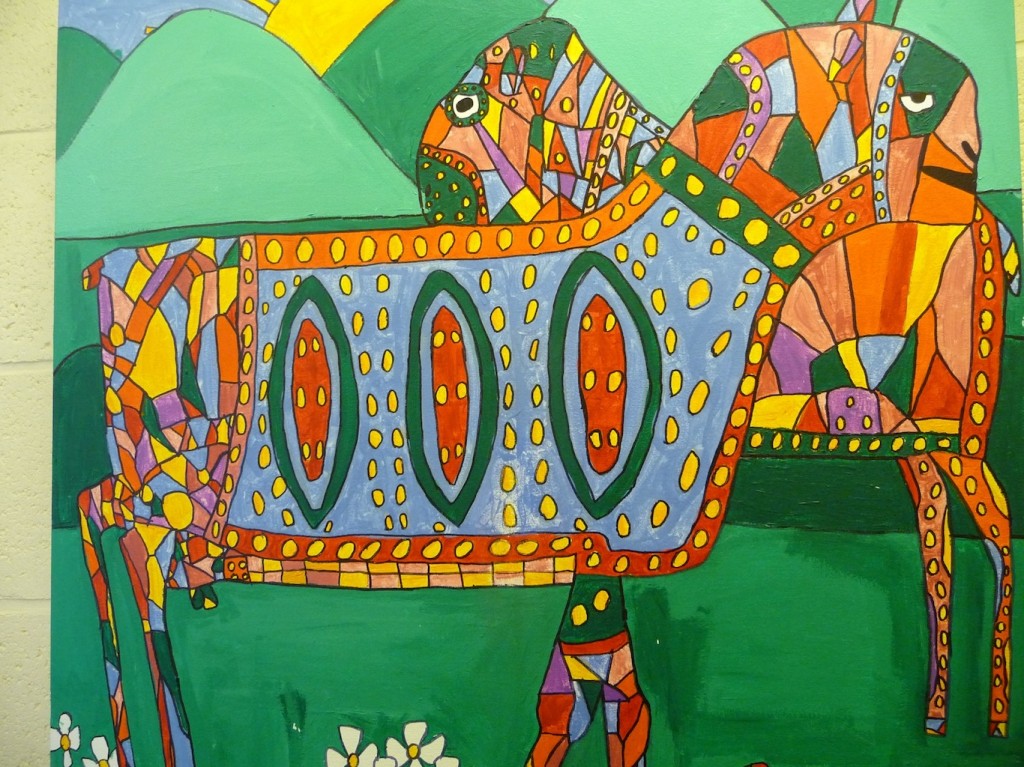
Painting, by Jake Rose

Bold, intricate, colourful and thought-provoking – some of the artworks here wouldn’t look out of place in a city art gallery, but in fact these pieces are among the powerful creations produced by young people with autism and related conditions.

Earlier this month, to mark World Autism Awareness Day, a specialist residential college in Wales launched a national art competition (the works here are from the shortlisted finalists), Create! Art for Autism, open to those aged 11 to 25 who are formally diagnosed with an autistic spectrum disorder (ASD). The aim of Beechwood College is to show that art can not only encourage learning and instill lifelong skills but boost quality of life and future prospects.

The college cares for students aged 16 and over with ASD and teaches students to articulate themselves through creative programmes including music, 2D art, 3D art, digital media and horticulture. As Beechwood principal Darren Jackson says, “art and creativity programmes can transform the lives of young people who previously struggled to make themselves heard”.

Drawing by Alex Fox-Robinson

There were more than 350 entries from 52 different schools from all over the UK with entries also sent from as far afield as India and Croatia. The judges have chosen six finalists in each category of 2D art, 3D art and digital media art, who will attend an awards ceremony at Beechwood College on July 24th. To support and recognise the work that schools undertake, both the winners and their schools will receive prizes and there is also a “teacher’s choice” allowing teachers to choose the winners.

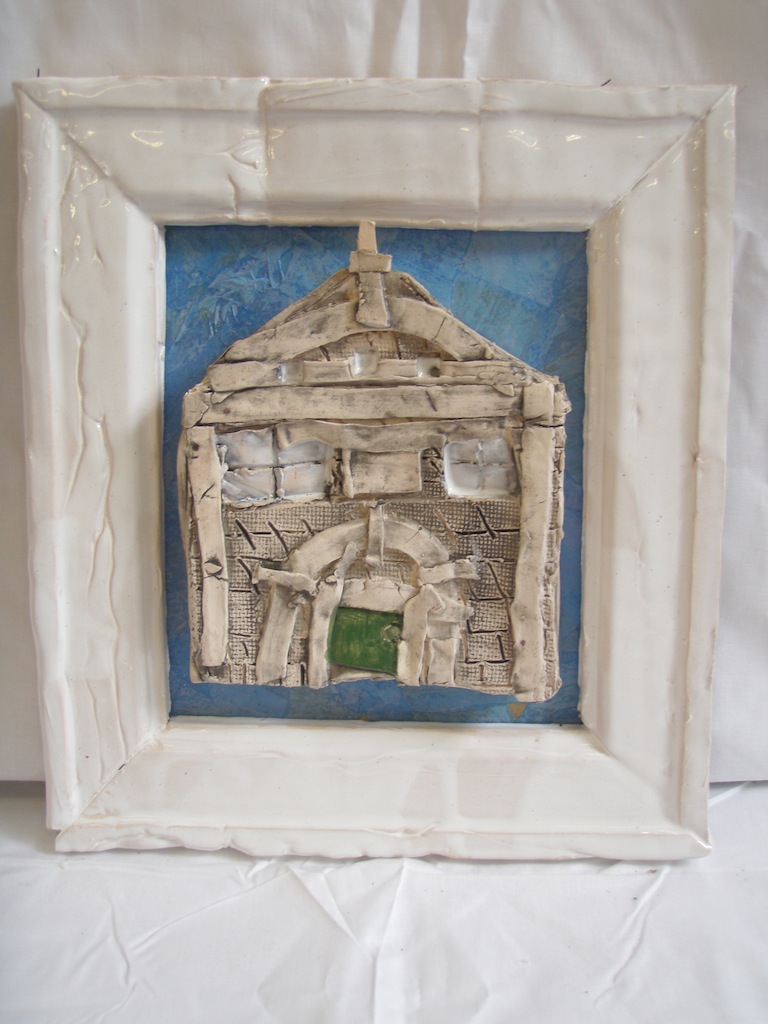
Ceramic work by Nicola O'Leary

The judging panel includes Brendan Stuart Burns, artist lecturer at The University of Glamorgan, Lucinda Bredin, editor at Bonhams Magazine, Hugh Morgan, chief executive of Autism Cymru and Beechwood principal Darren Jackson.

Painting by Evan Findlay

The finalists’ work will be rolled out into a national art tour open to the public, first at The Old Library in Cardiff and then in London in September. Finalists and other artwork can be viewed here.